Insufficient cooling or heating
One of the most common problems homeowners face is lack of cooling or heating. If you notice that the temperature in your home does not reach the desired temperature, do the following:
- Check thermostat settings: Make sure the thermostat is set to the correct temperature and status. Sometimes random changes may occur.
- Replace Air Filters: Clogged air filters restrict proper air flow, making it difficult for the system to operate. Replace them periodically to maintain optimal performance.
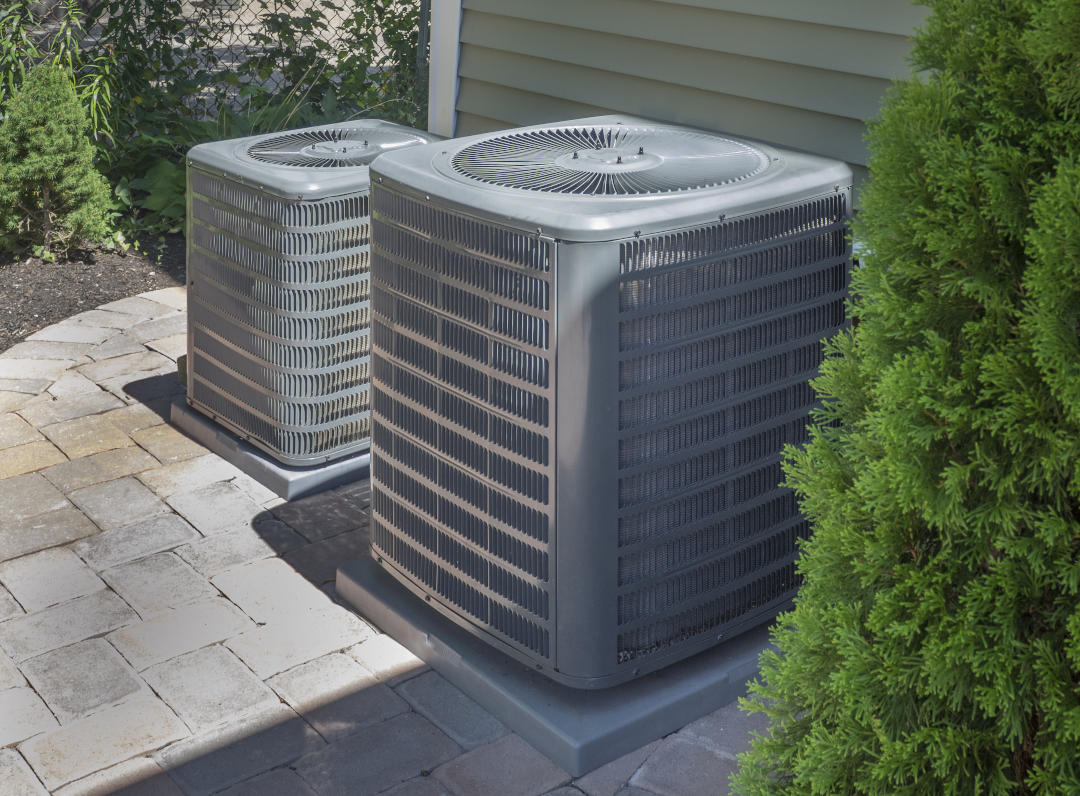
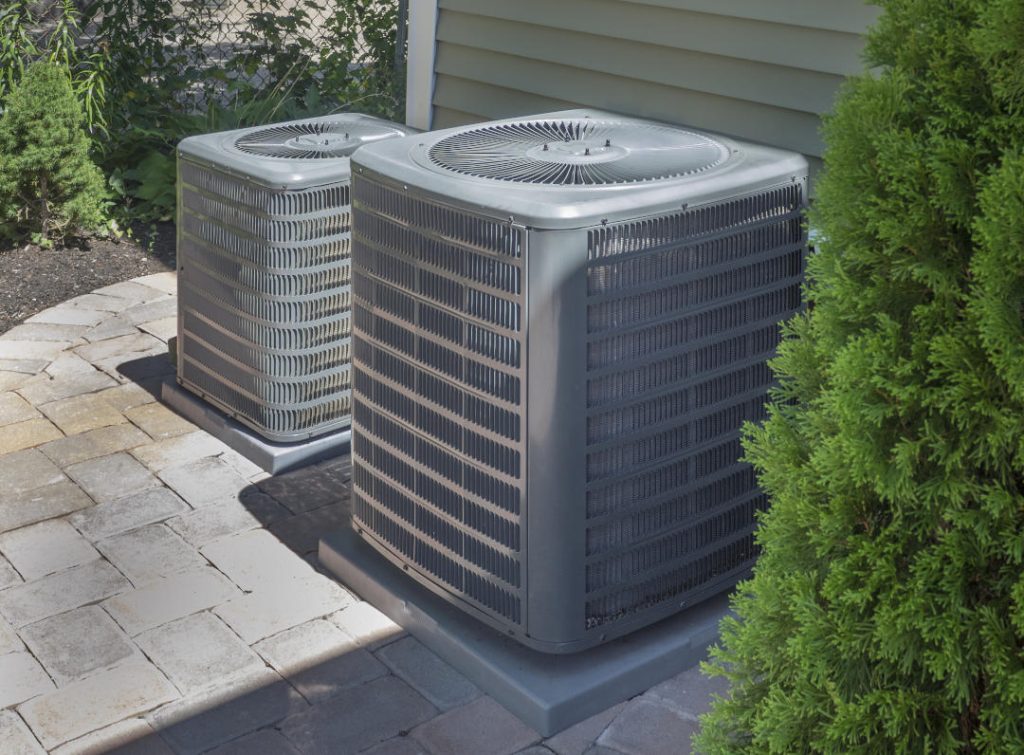
- Clean the outdoor unit: Over time, debris, leaves and dust can accumulate around the outdoor unit, reducing its efficiency. Clean the area around the device and hose with a soft brush or hose.
- Check Air Ducts: Leaky air ducts can allow conditioned air to escape, reducing the efficiency of the HVAC system. Check for holes or gaps in the ducts and seal them with aluminum foil.
By following these simple guidelines, you can often resolve improper cooling or heating problems without professional help.
Strange noises
If you hear unusual noises from your HVAC system, this indicates a potential problem. Try the following steps to identify and resolve the issue.
- Check air filters: Dirty or clogged filters can make the system difficult to operate and cause unusual sounds. Change or clean filters regularly.
- Tighten loose parts: Check and tighten any loose screws or bolts on the HVAC unit with a screwdriver.
- Clean the condenser coils: Dust and dirt can build up on the condenser coils, causing strange vibrations and noises. Clean them gently with a soft brush or vacuum cleaner.
Seek professional help: If the sounds persist or get worse, this may indicate a more serious problem. Contact a qualified HVAC technician to diagnose and repair the problem.
Inconsistent airflow
Do you notice uneven airflow in different parts of your home? This is how you can do it.
- Check vents: Make sure all vents are open and not obstructed by furniture or other objects. Clogged vents can prevent proper airflow.
- Balance the system: Adjust the ventilation fins to balance air flow between rooms. If you are not sure, read the user manual or ask an expert for help.
- Clean Steam Coils: Over time, steam coils can accumulate dirt and dust that affects airflow. Clean them with a soft brush or vacuum cleaner.
By following these guidelines, you can improve airflow and ensure even cooling or heating throughout your home.
High energy bills
If you have unexpectedly high energy bills, it’s time to do some research and make some changes:
- Programmable Thermostat: Invest in a programmable thermostat to optimize energy use. Adjust the temperature drop when you are away from home or sleeping to reduce unnecessary heating or cooling.
- Seal air leaks: Check doors, windows and other openings for air leaks. Seal them with weather stripping or caulk to prevent conditioned air from escaping..
- Upgrade to energy-efficient equipment: Consider upgrading your old HVAC system to a newer, more energy-efficient model. Energy Star certified systems can significantly reduce your energy consumption.
Making these changes can help reduce your energy bills while maintaining a comfortable indoor environment.
Regular maintenance
It is always best to prevent than to cure. Regular HVAC maintenance can help prevent common problems and extend the life of the system. These are some of the most important maintenance tasks:
- Change air filters: Change air filters every 1 to 3 months or as recommended by the manufacturer.
- Clean the system: Clean the outdoor unit, evaporator and condenser coils regularly to keep them free of dirt and debris.
- Annual Professional Inspection: Schedule an annual HVAC system inspection by a qualified technician. They can identify potential problems and resolve them before they become serious.
- Duct Cleaning: To improve indoor air quality and ensure proper airflow, consider professional duct cleaning.
By following regular maintenance routines, you can minimize the risk of HVAC problems and ensure optimal performance.
Conclusion
Now that you’ve learned some simple tips for identifying and solving common HVAC problems, here are the key points:
- To solve the problem of insufficient cooling or heating, check the thermostat settings, air filters and clean the outdoor unit.
- Investigate strange sounds by checking air filters, tightening loose parts, and cleaning condenser coils. If necessary, contact a specialist.
- Correct uneven airflow by ensuring open, unobstructed vents, balancing the system, and cleaning evaporators.
- Reduce high energy bills with a programmable thermostat, sealing air leaks, and upgrading to energy-efficient HVAC units.
- Perform regular maintenance, such as changing air filters, cleaning system components, and scheduling professional inspections.
By following these steps and taking proactive measures, you can keep your HVAC system running smoothly year-round and ensure a comfortable, energy-efficient home..
Remember, it is always recommended to seek professional help for complex or potentially dangerous HVAC problems.