Maintaining your walk-in cooler is pivotal for its efficiency and longevity.
A neglected refrigeration unit can become a ticking time bomb for businesses, both in terms of operational efficiency and finances.
Without regular maintenance, these systems are prone to malfunctions which can result in costly breakdowns, leading to extended downtimes.
Additionally, improperly maintained units may not regulate temperatures effectively, potentially spoiling stored food and products—this not only wastes resources but also poses health risks to consumers.
Furthermore, frequent breakdowns and the time lost in repairs can gravely hinder daily operations, resulting in lost revenue and additional expenses for emergency repairs.
It’s clear that regular upkeep is not just a matter of appliance care, but integral to the seamless running of the business itself.
And in this guide, you’re going to learn all of the most crucial information you need to now in order to be successful at this process.
Fundamentals of Walk-In Refrigeration: Understanding the System's Operation
This crucial element is responsible for absorbing heat. This is where the refrigerant boils due to the pressure difference, effectively absorbing heat.
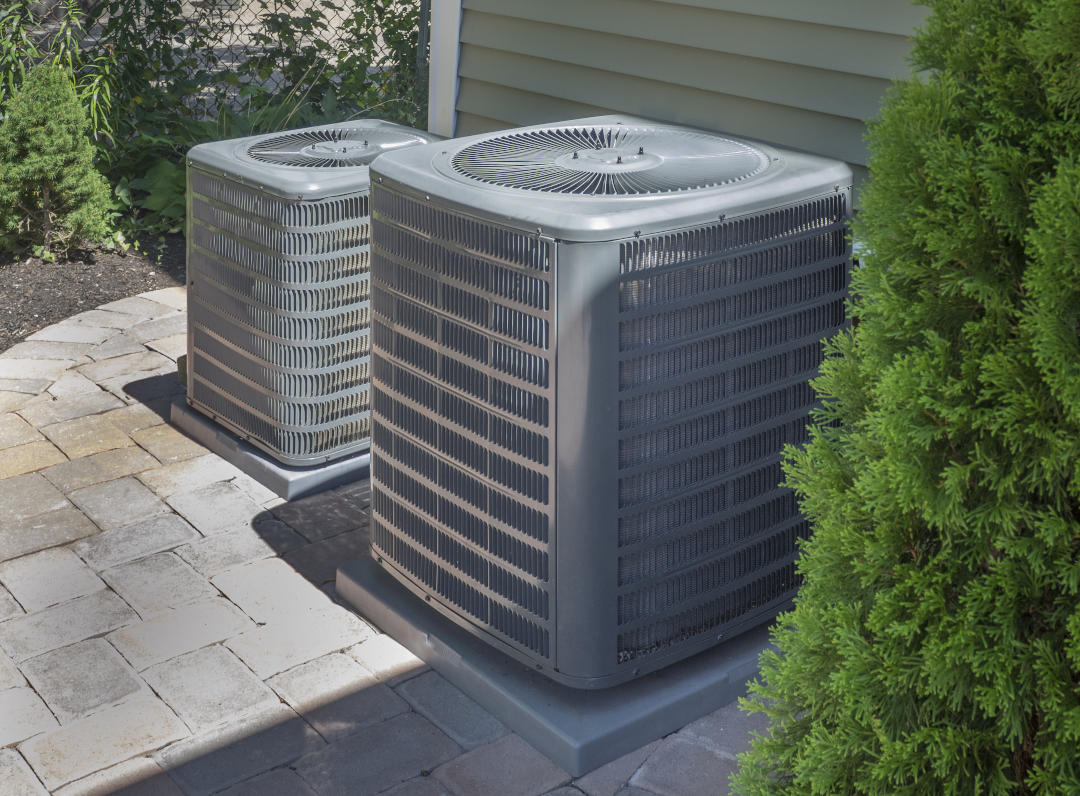
The Exterior Unit (Condenser)
This component is essential for rejecting heat. The heat taken in by the evaporator is expelled out by the condenser.
Understanding Refrigerant Dynamics
The refrigerant is a crucial medium that acts as a vehicle for heat. As it boils inside the evaporator, it absorbs heat and as it condenses inside the condenser, it releases heat. The refrigeration process, essentially, is about removing heat from the box faster than it can return, leaving the interior cold—and thus, operating effectively as a refrigeration unit.
Walk-in Coolers: An Overview of the System
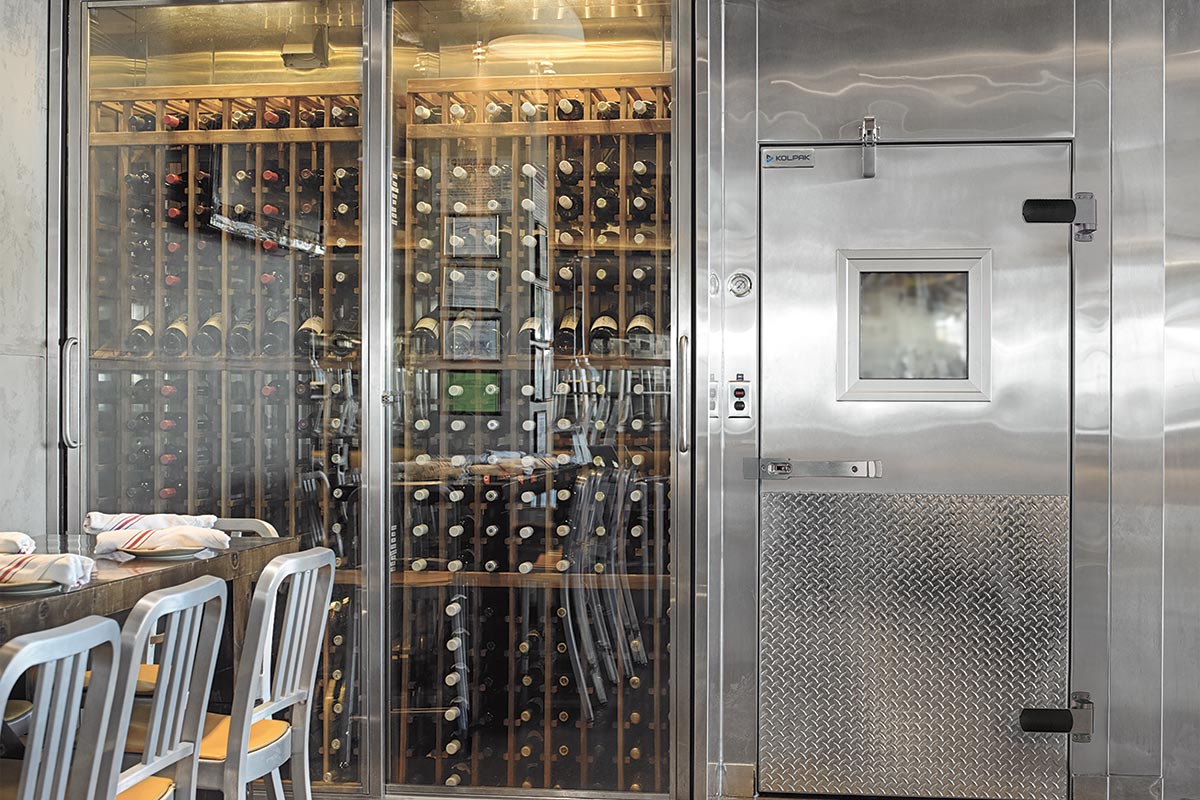
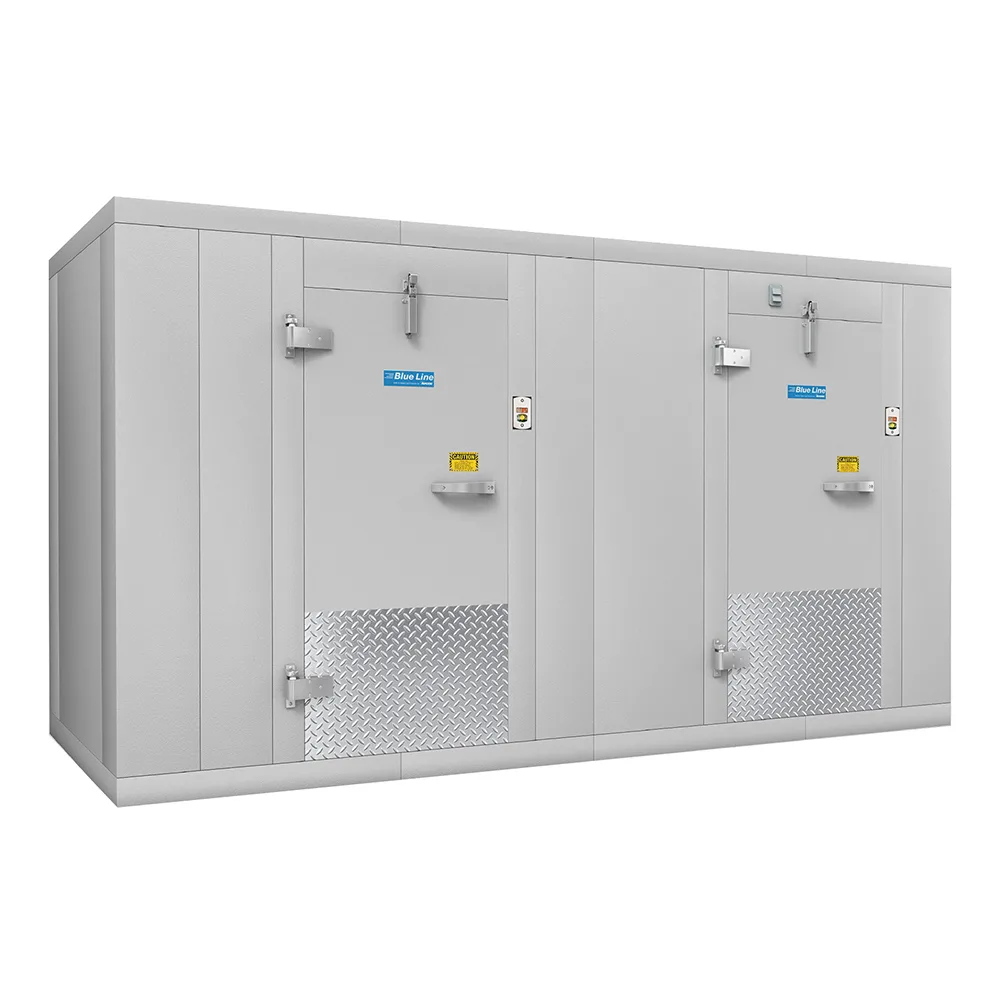
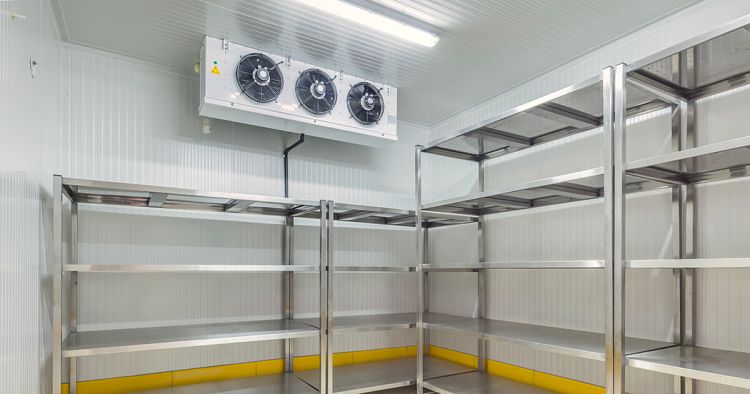
A walk-in cooler system is a large, enclosed storage space designed to maintain perishable items, such as food and beverages, at consistently cold temperatures. Commonly found in restaurants, supermarkets, and food storage facilities, these systems provide an efficient environment to ensure the freshness and longevity of stored items.
Such coolers are large-scale systems designed to displace vast amounts of heat to maintain the right temperature, and their sheer size demands an expansive evaporator surface area.
In many cases, you might find multiple evaporators and fans within these systems.
The cooling cycle here is mainly controlled by the thermostat and gas valve, not just by switching the compressor on or off.
Understanding the common issues that you can run into with walk-in cooler and refrigeration systems is important to the topic of maintenance because, once again, understanding how things can go wrong will give you a better context into why preventative maintenance (especially the steps we’re about to discuss) is so crucial. So let’s talk about some of the more common issues that can befall commercial walk-in refrigeration systems.
Steps you can take:
- Check the temperature setting. If unsure, set it slightly above room temperature. If you don’t hear a clicking sound, the thermostat might be faulty.
- Ensure both internal and external systems are running. Fan rotation usually indicates this. Listening to the sounds can give away whether the fan alone or both fan and compressor are working.
- Feel the pipes. One should be cold while the other hot. A visual check on the side glass can also help. Bubbling in the sight glass can indicate a potential refrigerant leak.
Steps you can take:
- Regular maintenance is essential. Ensure that your condenser and evaporator fans are free from obstructions and are working efficiently.
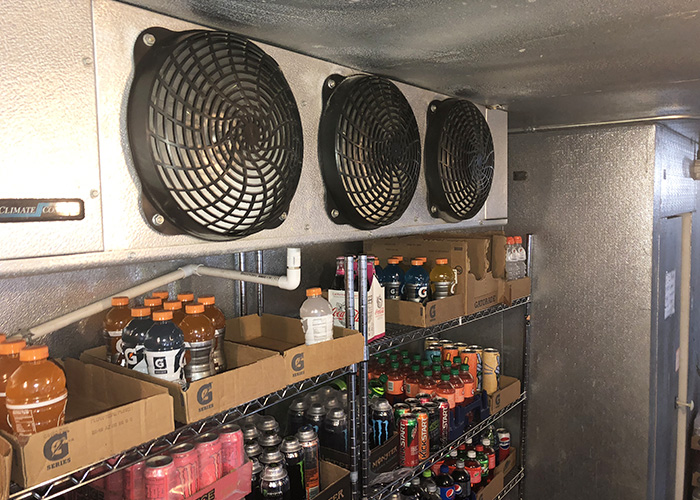
- Walk-in coolers, due to their exposure to moisture and lower temperatures, can have their evaporator coils freeze. This hinders their cooling efficiency. In such cases, inspect the evaporator coils and defrost if needed.
Essential Maintenance Steps for Walk-in Refrigerators
Now, it’s time to talk about some of the specific steps that you should take (and how often to take them) to make sure that you’re maximizing preventative maintenance and upkeep your walk-in refrigeration unit to the maximum extent possible.
- Routine Inspection: Regularly inspect both the inside and outside units for visible damages, wear, or issues. Listen for unusual noises that might indicate mechanical problems. This should be done on a monthly basis.
- Clean the Evaporator and Condenser Coils: Ensure the coils are cleaned regularly. Over time, these coils can gather dust and debris. Cleaning them ensures efficient heat transfer. This should be done every 3 months (or sooner if located in a dusty environment)
- Check Electrical Connections: Loose connections can lead to system failures. Ensure all electrical components are secure. This should be done bi-annually.
- Inspect and Clean the Fans: Ensure they rotate freely and clean any dust or debris that can hinder their performance. This should be done evey 3 months.
- Check the Refrigerant Levels: Monitor refrigerant levels. A reduced level might indicate a leak, which can compromise the efficiency of the unit. This should be done annually.
- Regularly Defrost the Unit: This prevents the buildup of ice on the evaporator coils. This should be done as needed (based on visual inspection, but typically monthly).
- Check the Door Seals: Ensure that they are intact and effectively seal the unit to prevent cold air from escaping. This should be done monthly.
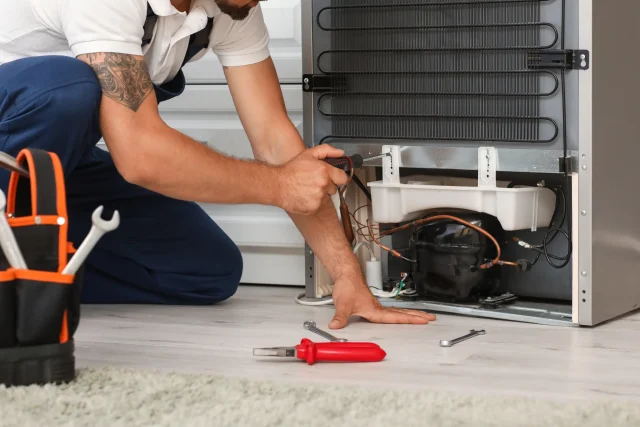
- Routine Professional Maintenance: While many routine checks can be executed by business owners, a comprehensive system evaluation by a professional technician is invaluable for ensuring optimal performance. For best results, this should be done once per year.
Conclusion
Maintaining your walk-in refrigeration system is not just about ensuring its longevity but also about guaranteeing its efficiency, which directly impacts your business’s bottom line.
Understanding its workings, coupled with regular checks and professional maintenance, can prevent costly breakdowns and keep your system operating at its peak.
After all, in business, every degree matters.